

Explore all GPS telemetry data for the 2026 KTM 390 Adventure R on Crazywheels.it: actual top speed, acceleration times, roll-on figures, and full braking distances.
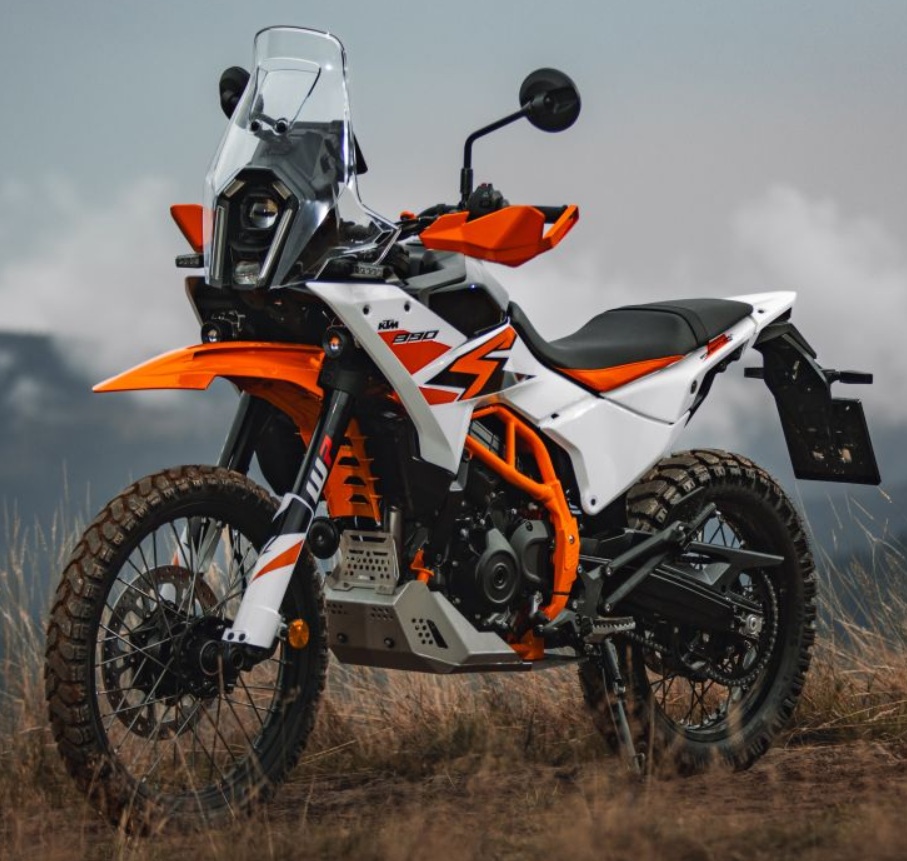
Instrumental verification via 10 Hz satellite data acquisition systems is the only objective method to evaluate a vehicle's true dynamic capabilities, stripping away subjective interpretations or dashboard speedometer errors. Put through our chronometric and telemetric tests, the 2026 KTM 390 Adventure R delivered a well-defined performance profile that accurately captures the behavior of the LC4c engine and the overall effectiveness of the chassis package.
Actual GPS Top Speed
Chronometric testing on the test straight revealed an actual GPS top speed of 158.4 km/h. This satellite-verified velocity corresponds to a reading between 167 and 170 km/h on the TFT display instrumentation, showing a physiological speedometer error in line with category standards. This figure is marginally affected—by about 3 or 4 km/h—by the rider's build and the aerodynamic drag of technical riding gear while sitting upright.
Acceleration Tests: 0-100 km/h and 400 Meters
The overall lightness of the design and the effectiveness of the final gearing allow the single-cylinder engine to deliver first-rate standing-start performance for an A2 license holder:
0–100 km/h: Covered in 5.8 seconds, a time that places Mattighofen’s crossover at the absolute pinnacle of its displacement class.
0–400 meters (standing start): Archived in 13.9 seconds, with a radar trap exit speed clocked at 142.1 km/h.
Low- and mid-range punch guarantees a vigorous progression right from the first few meters, minimizing power drops and fully leveraging the optimal traction provided by the rear end.
Sixth-Gear Roll-On
In the timed roll-on test from 60 to 100 km/h in sixth gear, the KTM 390 Adventure R requires a bit of momentum buildup, recording a time of 8.4 seconds. Due to the single-cylinder displacement and gearing heavily oriented toward off-road use, pulling from low revs takes a few seconds before the engine regains full strength. Nevertheless, the engine's flexibility allows you to exit tighter hairpins without constantly needing to downshift, though dynamic riding that exploits the mid-range is always rewarded.
Braking Tests and Stopping Distances (100–0 km/h)
The braking system, evaluated during emergency decelerations on high-grip asphalt, registered a 100–0 km/h stopping distance of 38.2 meters. Braking is prompt, vigorous, and perfectly modular at the lever. On asphalt surfaces, the physical limit does not lie in the power of the hydraulic system or the ABS calibration, but rather in the reduced contact patch and knobby tread pattern of the stock off-road tires, which naturally extend stopping distances compared to pure street rubber.