

Read the exclusive test of the 2026 KTM 390 Adventure R on Crazywheels.it. We analyze real performance, top speed, fuel consumption, pros, cons, and issues.
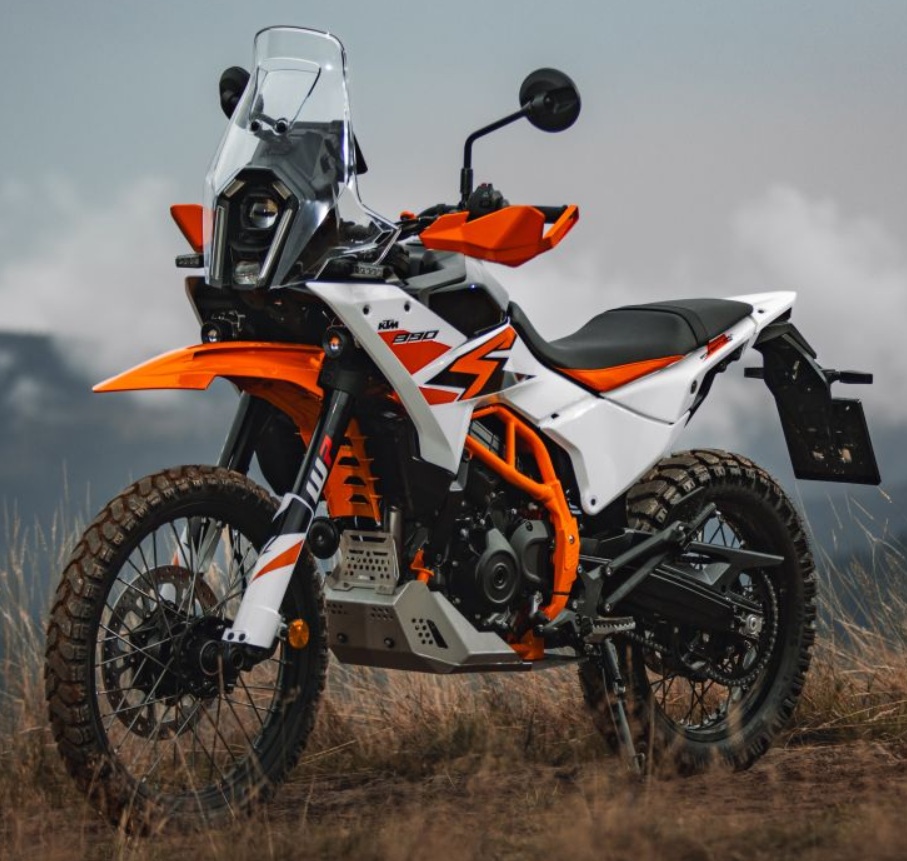
The KTM 390 Adventure R steps firmly into the small-displacement crossover segment with an unmistakable off-road focus, breaking cleanly away from street-biased versions through its chassis and geometry. The market craves lightness and versatility, and this model delivers with high-profile technical specs born straight from Mattighofen’s off-road racing DNA.
Featuring long-travel suspension, wire-spoke wheels with a 21-inch front, and a complete electronics package, it establishes itself as a benchmark for mid-weight bikes built for real dirt.
Build Quality and Finishes
The KTM 390 Adventure R is exceptionally well-built and finished. For a true adventure bike, the electronics suite is remarkably comprehensive, complemented by a solid braking system, quality wheels, adjustable suspension, and class-leading technical equipment. The instrumentation is complete, overall assembly is top-notch, bodywork is neatly molded, controls and minor details feel great, the frame is robust, and the wheels are heavy-duty. It is an essential, Spartan machine, yet it packs everything needed to tackle serious off-road terrain while ripping on asphalt.
The only flaw worth calling out is the low-slung exhaust routing. While neatly tucked and technically necessary to easily clear Euro 5+ regulations, a classic high-mount pipe would have looked much better, at least aesthetically.
Ergonomics and Riding Comfort
Rider Layout
This is a true adventure bike featuring a narrow, tall seat, a forward-leaning posture, and handlebars positioned close to the torso. Standing up on the footpegs is effortless, controls have a light touch, and the seat is quite firm—ideal for maintaining absolute control over the machine. Unfortunately, the step between the rider and passenger sections restricts sliding back and forth in the saddle. It hugs your legs tightly, just like a proper adventure bike should, boasting flawless weight distribution and ultra-light steering. Designed for exploratory journeys, riding comfort is intentionally dialed back to prioritize real off-road performance. The sole drawback, at least for us, is the substantial seat height, making it best suited for riders at least 170 cm tall.
Wind Protection and Turbulence
Aerodynamic protection holds up well up to near-top speeds, successfully deflecting airflow away from the rider's helmet. However, the narrow frontal profile means you will have to compromise during extended highway stints.
Vibration and Heat Management
Noticeable vibrations creep in during long highway stretches. Engine heat is acceptable and well-dissipated, avoiding any annoying thermal buildup around the rider’s lower limbs.
Passenger Comfort
The passenger position is decent, though the seat is firm and space is limited. This machine is engineered primarily for solo adventure riding.
Chassis: Suspension Analysis
Fork and Monoshock Behavior
The fork and rear shock are outstanding in quality, outperforming direct competitors. They are exceptionally well-tuned and harmonized, soft and compliant yet hydraulically well-damped, perfectly suited for road riding and grueling off-road tracks alike. Both units react sensitively to adjustments, operating smoothly and precisely. The front fork works brilliantly—plush enough, highly responsive to clicker adjustments, and dialed in for serious off-road duties. The rear shock performs equally well, allowing precise personalization of your setup.
Ideal Set-Up Guide
Overall, the suspension department vastly surpasses every current street-focused adventure bike of similar displacement and even higher price points in both effectiveness and build quality. For mixed road-and-dirt use, keeping standard factory clicker settings is recommended, though you should slightly increase rear preload when carrying luggage.
Braking System and Electronic Controls
Braking Performance
The braking system features strong technical credentials, a disengageable ABS, and short stopping distances. The front disc paired with the bike's low weight yields brief stopping distances that rival any machine running a 21-inch front wheel, where the ultimate limiting factor is always the narrow front tire footprint. Braking feel is highly progressive and ideal for off-road tracks, while remaining powerful and easily manageable on the street. It is a fantastic setup built for real dirt work, though you shouldn't expect track-spec sportbike performance.
ABS Functionality
The combined-action ABS features a dedicated off-road mode that allows the rear wheel to lock while maintaining active control over the front, proving immaculately calibrated for low-grip surfaces.
Traction Control
Traction control intervenes progressively and offers multiple rider-selectable maps via the handlebar switchgear, helping manage slippery gravel paths without abruptly cutting power delivery.
Engine: Real-World Performance and Top Speed
Top Speed
The KTM 390 Adventure R engine peaks at an indicated top speed of around 165 km/h on the dashboard. Ultimate velocity heavily depends on rider size and gear; under ideal conditions, you can push it to 170 km/h.
Acceleration and Sixth-Gear Roll-On
Standing-start acceleration sits right at the top of the category, outperforming both single-cylinder and similar-displacement twin-cylinder rivals. Sixth-gear roll-on is steady, though it requires a bit of momentum buildup due to the modest single-cylinder displacement and off-road-oriented final gearing.
Smoothness, On-Off Transition, and Heat
This engine is a segment benchmark, brimming with torque and power that, paired with the bike's low weight, yields remarkable performance. Idling is stable, noise and heat levels are acceptable, and twisting the throttle instantly catapults you forward. Smooth down low, it packs a fantastic mid-range punch with strong, muscular delivery relative to its displacement, and revs out cleanly on top.
Engine Set-Up Guide
The power plant responds promptly and usefully across the entire rev band. It requires no electronic tweaks, benefiting solely from periodic throttle body checks and air filter cleaning during dusty, intensive off-road use.
General Performance
For off-road exploration, it packs more than enough power to keep you grinning, while on pavement it holds its own against competitors, hitting 150 km/h effortlessly. On twisty asphalt sections, its only real bottleneck is the stock knobby tires, which demand caution when cornering hard. Off-road, it is a near-perfect engine—powerful enough without intimidating novices, though it still demands some experience to ride fast. While not as light and nimble as a dedicated 450cc four-stroke enduro bike, it easily outperforms every dual-sport twin or single of similar displacement featuring a 21-inch or 19-inch front wheel.
Transmission: Functionality, Reliability, and Issues
The gearbox stayed completely trouble-free throughout our test. The clutch operation is flawless. A slight mechanical notchiness can be felt if you don't actuate the lever with absolute decisiveness, but the mechanism never misses a shift. All gear ratios are short-set to optimize off-road traction and corner-exit punch.
Riding Dynamics: Street and Off-Road Behavior
City, Extra-Urban, and Highway Dynamics
The KTM 390 Adventure R is agile, nimble, and intuitive to handle, though it is still a machine that clears 130 km/h on knobby tires in mere seconds. In urban environments, it is nimble and extremely practical in traffic, save for the seat height hurdle for riders under 170 cm. Out of town, it shines on twisty country roads, where you'll occasionally wish for street tires to fully exploit the chassis. On the highway, staying under 130 km/h is wise to preserve comfort, as long stretches of vibration and wind exposure wear you down.
Mountain Passes and Two-Up Riding
Nimble and stable, the steering lightens up near top speed without turning sketchy. The bike drops into corners like a lightning bolt thanks to extreme agility. Only on sweeping high-speed bends do you encounter minor limitations stemming from the narrow knobby tire footprint and long-travel suspension. It behaves brilliantly on mountain passes, ranking at the absolute pinnacle of its class for sheer fun and capability.
Off-Road Behavior (Tracks, Trails, and Hard Enduro)
When asphalt gives way to dirt, performance skyrockets to a level no street-biased adventure bike of similar displacement can match. It only stops when faced with extreme, rocky single-track, where its weight and dimensions betray its dual-sport roots compared to a dedicated 450cc motocross or enduro machine. With proper tires and decent riding skill, it punches well above expectations, allowing you to maintain paces and tackle challenges comparable to larger-displacement machinery. It isn't built for specialized rallies or stage-time records, but its dynamic capability far exceeds the limits of most riders.
Real Fuel Consumption and Range
During our test, we logged an average fuel economy of roughly 22 km/liter, with peaks exceeding 28 km/l during relaxed touring stints and a low of about 18 km/l under heavy off-road use. Averaging above 24 km/l is entirely possible, though short gearing and an eager engine constantly tempt you to crack the throttle open.
Technical Considerations and Critical Points
Regarding routine maintenance, the bike requires standard checkups via official KTM service centers, with electronic complexity kept manageable through intuitive diagnostics tied strictly to authorized workshops for software updates. Expected engine reliability is high, though intense off-road riding requires consistent upkeep of the air filter and drive chain. Running costs remain competitive against larger adventure bikes, serving as a notable economic perk.
Pros, Cons, and Final Verdict
Pros
Class-above chassis and suspension componentry
Torque-rich engine standing at the peak of single-cylinder performance
Exceptional off-road capability courtesy of the 21-inch front wheel
Cons
Demanding seat height for riders under 170 cm tall
Low-slung exhaust layout hurts aesthetics and leaves it exposed during extreme off-road use
Highway comfort curtailed by vibrations and minimal wind protection
What We Didn't Love
We weren't entirely sold on the exhaust positioning. While justified by anti-pollution regulations, it clashes with the rugged, adventure-ready vibe of the tail section. We also would have preferred a slightly softer seat on long road journeys and fewer high-rpm vibrations.
Market Alternatives
Current alternatives include mid-displacement single and twin-cylinder crossovers like the Royal Enfield Himalayan 450, CFMoto 450MT, or larger twins like the Yamaha Tenere 700. Against these, KTM maintains an edge in lightness and suspension sophistication, while giving up a bit of highway touring comfort.
Buying Advice and Recommended Accessories
We recommend buying it if you want a true gateway into light-to-mid off-road riding without the heavy running costs of a maxi-enduro. Highly recommended accessories include tubular engine crash bars, a heavy-duty aluminum skid plate for aggressive off-road conditions, and terrain-specific knobby tires.
Scheduled Maintenance and Known Issues
Scheduled maintenance calls for regular service intervals every 15,000 kilometers or annually for oil and filter swaps. There are no structural issues or major recurring factory defects reported for this model, confirming the strength of its industrial design and mechanical maturity.
The Verdict from Crazywheels.it
The KTM 390 Adventure R proves to be an exceptionally competitive, high-quality machine. It channels the spirit of 1980s African adventure enduros—bikes built to conquer mild off-road trails and travel long distances on asphalt alike: the KTM 390 Adventure R does precisely that. It isn't the ideal mount for exclusive street use, but it excels as an all-rounder split roughly sixty percent off-road and forty percent pavement.
Frequently Asked Questions (FAQ)
Is the KTM 390 Adventure R suitable for A2 license holders?
Yes, its power output falls squarely within the legal limits for A2 license holders, making it a fantastic training platform.
What is the recommended minimum rider height to touch the ground comfortably?
The seat height requires a stature of at least 170 cm to confidently manage the bike during stationary maneuvers.
Can you mount pure street tires?
You can install street or semi-street tires, though the chassis is inherently engineered to maximize performance from the 21-inch front wheel paired with knobbies.