

KTM 390 Enduro R 2026: Real GPS Data. Top Speed, Acceleration, and Braking
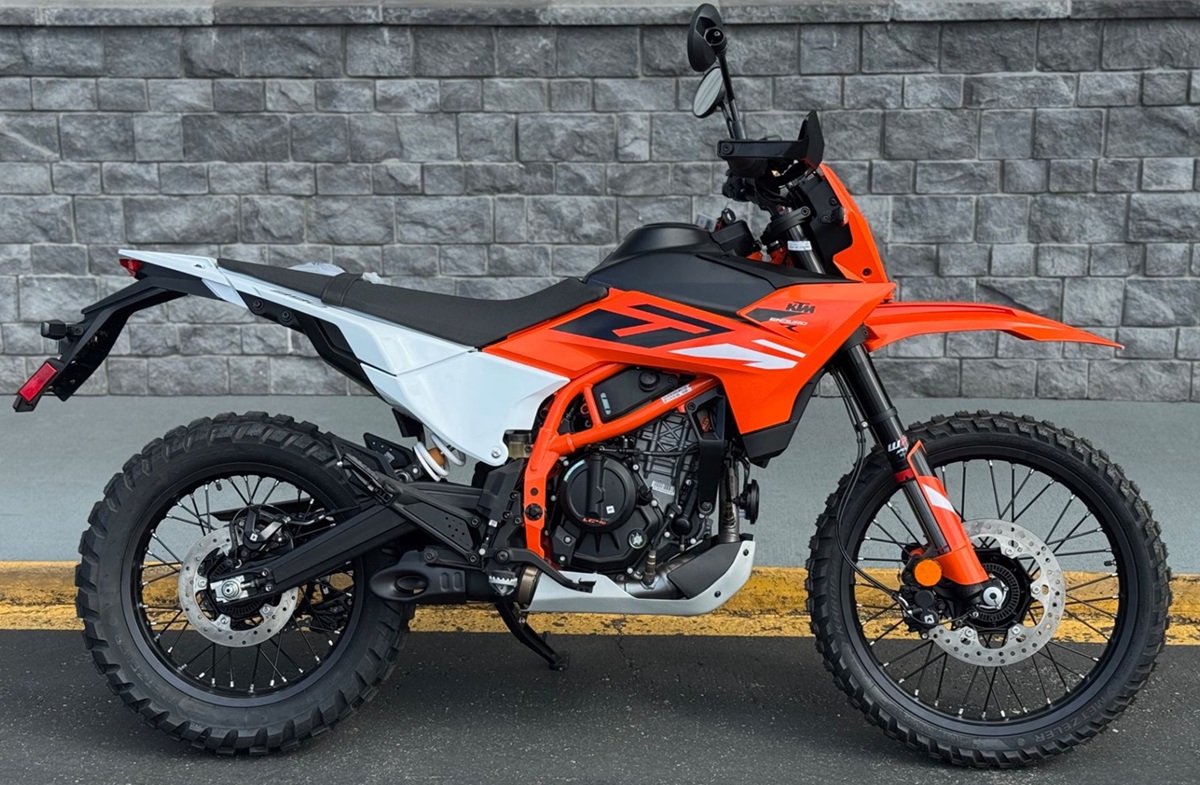
What is the KTM 390 Enduro R 2026 truly capable of when put to the test with satellite telemetry equipment? In our exclusive test for Crazywheels.it, we went beyond factory claims by mounting a high-frequency (10 Hz) GPS data acquisition system on board. Here are the actual chronometric and kinematic records captured during our testing sessions on closed tracks and roads.
Instrumental Analysis and Testing Methodology
To guarantee maximum transparency and an "Expert-to-Expert" technical approach, dynamic tests were conducted using a professional GPS data logger under standard load conditions (75 kg rider with full technical gear) on dry asphalt at a controlled ambient temperature. Stock speedometers inevitably feature manufacturer-imposed geometric variance; the values reported below represent true GPS speed and actual chronometric figures.
True Real Top Speed (GPS)
The 398.7 cc LC4c single-cylinder engine pulls strongly up to high revs, but the physics of final gearing and the aerodynamic drag of a specialized enduro motorcycle set very precise boundaries.
Actual Effective Top Speed Recorded: 159.5 km/h (achieved in sixth gear right near the over-rev limit).
Speedometer Variance: At legal highway speeds (130 km/h indicated), the digital speedometer displays a reading roughly 6–7 km/h higher than the true GPS speed (actual speed: 123–124 km/h).
Technical Considerations: Gear ratios are clearly optimized to prioritize low- and mid-range grunt through single-tracks and mixed sections, partially penalizing the pursuit of pure top-end extension, which remains more than sufficient for fast transfers.
Acceleration and Chronometric Results
Standing starts highlight the excellent work done by the Ride-by-Wire electronic management and the slipper clutch, which efficiently put down 45 hp without triggering erratic wheel-spin or dangerous front-end lift.
0 - 50 km/h: 2.2 seconds (a blazing sprint favored by the single's immediate torque and short ratios in the first three gears).
0 - 100 km/h: 6.5 seconds (pure GPS reading; a highly notable time for the knobby-tire mid-size category).
Sixth-Gear Roll-On (60 km/h to 100 km/h): 7.9 seconds. The engine picks up cleanly without bogging down even from lower revs, though for rapid extra-urban passing it is always advisable to drop one or two gears to exploit the middle of the tachometer range.
Stopping Distances and Braking Performance (GPS)
The braking system—consisting of a 285 mm front disc with a Bybre caliper managed by Cornering ABS with Offroad mapping—was subjected to repeated emergency braking tests from various entry speeds.
100 - 0 km/h Braking (Asphalt): 39.5 meters. A compact stopping distance highlighting the system's strong initial bite and the grip of original equipment tires on clean pavement.
Control Behavior: Average measured deceleration settles around 9.1 m/s². In maximum braking on asphalt, combined ABS action prevents front wheel lockup without overly extending stopping distances, while directional stability remains immaculate thanks to WP APEX fork calibration, which prevents uncontrolled steering head dive.
Off-Road Use (with Offroad ABS Engaged): On dirt, the ability to lock the rear wheel allows the rider to steer the bike into corner entry with pinpoint precision, reducing stopping distances on packed earth compared to the intrusive action of a traditional street ABS.
The Crazywheels.it Telemetric Verdict
GPS data confirms the structural soundness of the KTM 390 Enduro R 2026: it is not a lazy entry-level bike, but a responsive machine capable of sprinting from 0 to 100 in just over 6 seconds and stopping in very short distances. These figures, paired with specialist chassis geometry, fully justify the gritty character observed during our dynamic tests.