

Yamaha Nmax 125 2026: The Ultimate "Anti-Traffic" Scooter Test
2026 Yamaha Nmax 125 review: road test, real top speed, and fuel economy. Discover why it’s the definitive urban sports scooter (but watch out for those potholes).
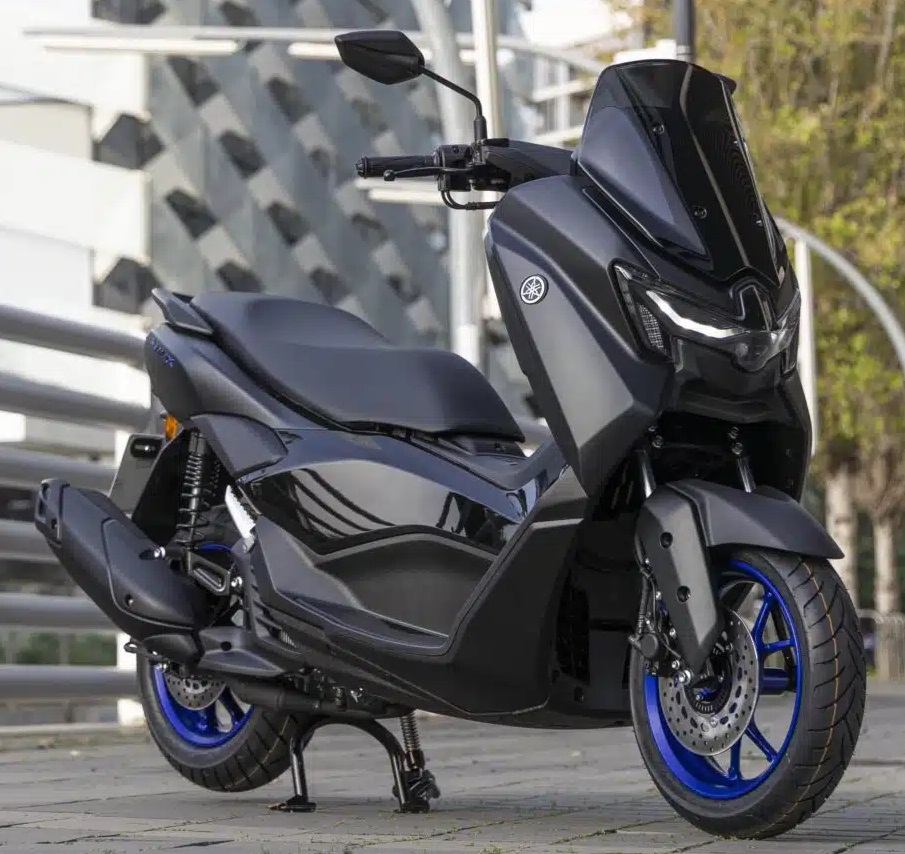
2026 Yamaha Nmax 125 Review: Top Speed, Pros, and Real-World Cons
Yamaha Nmax 125 2026: The Ultimate "Anti-Traffic" Scooter Test
2026 Yamaha Nmax 125 review: road test, real top speed, and fuel economy. Discover why it’s the definitive urban sports scooter (but watch out for those potholes).
The 2026 Yamaha Nmax 125 is not just a scooter; it is a staple of urban commuting. Updated to Euro 5+ standards, it continues to challenge the dominance of the Honda SH 125 with a different philosophy: less "high-wheel" and more "sporty setup." But is it truly worth the €3,499 (ex-works) price tag? We put it to the test through city cobblestones and highway bypasses.
Build Quality: Japanese Standard
The 2026 Yamaha Nmax 125 oozes solidity.
Finishing: The plastics are mated with surgical precision; there isn't a single squeak or rattle, even after hitting prominent manhole covers.
Equipment: The LCD instrumentation is clear, though in 2026, we would have appreciated a more modern TFT display across the entire range. Smartphone connectivity via the MyRide app remains excellent.
Storage Capacity: The under-seat compartment holds a full-face helmet—a major plus for such a compact scooter.
Ergonomics and Comfort: Sporty, Not a "Sofa"
Sitting on the Nmax, you immediately feel in control.
Riding Position: More active compared to a PCX. Your feet are well-planted, and legroom is excellent even for those over six feet tall.
The "Lever" Issue: A lingering flaw in 2026 is the non-adjustable and rather stiff brake levers. If you have small hands, you might feel some fatigue during long city commutes.
Quietness: The Blue Core engine is almost imperceptible at idle—a sensation of refinement that AI simply cannot describe in words.
Chassis: Precision in Curves, Stiffness on Potholes
This is where the Nmax’s true character emerges. Unlike "softer" competitors, Yamaha chose a firm setup.
Suspension: The fork is precise and doesn't dive abruptly under emergency braking. However, the rear shocks are harsh: on deep potholes, the feedback is sent directly to your spine.
Road Holding: This is its greatest strength. At high speeds (80-90 km/h), the Nmax is glued to the ground, stable and rigorous—almost like a small motorcycle. If you want a scooter for cornering and not just getting from A to B, this is it.
Engine and Performance: Real-World Top Speed
The Euro 5+ single-cylinder is a masterpiece of consistency.
Top Speed: We reached an indicated 105 km/h (approx. 98-100 km/h real-world GPS).
Power Delivery: Thanks to VVA (Variable Valve Actuation) technology, the scooter has a brilliant snap off the line at traffic lights but doesn't "flatline" once you pass 70 km/h.
Transmission: The variator is perfect. No jerking, no vibrations upon take-off. It is the definition of a smooth ride.
Fuel Consumption: Daily Running Costs
In our mixed test (70% city, 30% extra-urban), we recorded:
Average: 27-28 km/l.
Eco Riding: You can push close to 32 km/l.
While it isn't the most frugal in its class (some competitors do better), the brilliant performance justifies that extra drop of fuel.
Detected Issues and Flaws (2026 Report)
Based on owner feedback and our own testing:
Rear Suspension: Too stiff for those living in cities with poorly maintained asphalt.
Brake Levers: The force required to actuate them is tiring in heavy traffic.
Lateral Bulk: Despite being compact, the central tunnel requires you to "step over" the scooter, making it less practical than the flat floorboard of the SH for those carrying bags or wearing long coats/skirts.
Final Verdict: Why Choose It?
The 2026 Yamaha Nmax 125 is the scooter for those who love to drive. It is more stable than a high-wheel scooter and more agile than a maxi-scooter. If your commute involves fast-flowing roads and good-quality asphalt, it is unbeatable. However, if you live on cobblestones or seek maximum back comfort, you might find it a bit too "direct."
Pros:
Benchmark stability in the 125cc category.
Smooth and technologically advanced engine (VVA).
High perceived build quality.
Cons:
Harsh response from the rear shock absorbers.
Non-adjustable, stiff brake levers.
Not exactly a "budget" price.