

Yamaha NMAX 125 2026 Review: Top Speed, Pros and Cons
YAMAHA NMAX 125 2026: Our Unfiltered Review. Performance, Issues, and Opinions
Technical analysis of the 2026 Yamaha NMAX 125. Testing performance, real top speed, Euro 5+ fuel consumption, and reliability. Discover the pros and cons of Yamaha’s new urban scooter.
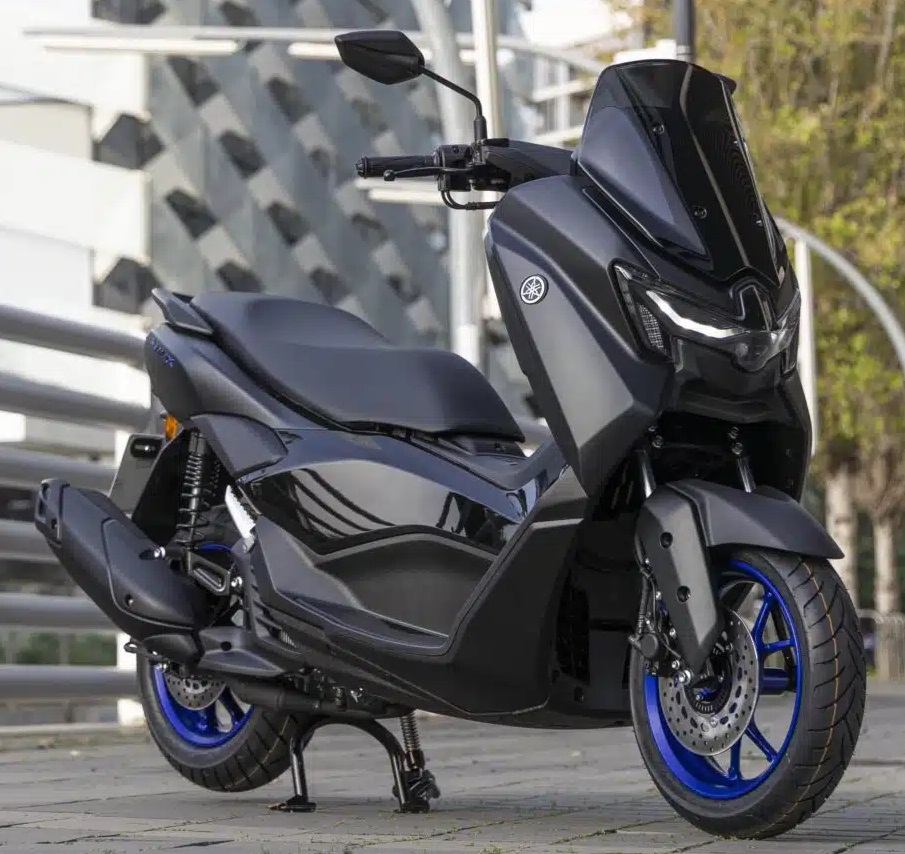
YAMAHA NMAX 125 2026: Technical Analysis and Road Test
The Yamaha NMAX 125 2026 confirms its position as one of the pillars of urban mobility for the Iwata-based manufacturer. Designed for intensive commuting, this scooter combines a sporty design with a rigorous chassis. In this detailed analysis, we examine the performance of the 2026 model, updated to the latest Euro 5+ regulations, evaluating its effectiveness in modern traffic and on extra-urban stretches.
YAMAHA NMAX 125 2026 Review: Build Quality
The build quality of the Yamaha NMAX 125 2026 reflects the high standards of the Japanese brand. The plastics are precisely fitted, free of squeaks even after being stressed on uneven surfaces. The LCD instrumentation is comprehensive, clearly legible in all lighting conditions, and offers seamless integration with connectivity systems. The under-seat storage capacity is optimized, comfortably accommodating a full-face helmet and small personal items. Overall, the scooter conveys a sense of solidity and long-term durability.
YAMAHA NMAX 125 2026 Review: Ergonomics and Ride Comfort
Ergonomics is one of the NMAX 125's strong points. Despite its relatively compact external dimensions, the roominess is generous for both the rider and a medium-sized passenger. The riding position is natural, featuring an ergonomic seat that does not cause fatigue during long commutes. Vibrations are virtually non-existent across all RPM ranges. One area for improvement remains the resistance of the brake levers, which feel slightly stiff to operate compared to some competitors. Acoustic comfort is excellent thanks to an extremely quiet engine.
YAMAHA NMAX 125 2026 Review: Suspension
The suspension tuning of the Yamaha NMAX 125 2026 prioritizes stability over absolute dampening. The front fork is firm and limits weight transfer during heavy braking. At the rear, the dual shock absorbers have a sharp response to more pronounced bumps (cobblestones, manhole covers) but guarantee remarkable chassis stability on fast-moving roads. This technical choice is consistent with the scooter's sporty nature, favoring steering precision.
YAMAHA NMAX 125 2026 Review: Braking and Traction Control
The braking system, equipped with discs on both axles and dual-channel ABS, offers short stopping distances. The ABS intervention is discreet and calibrated to activate only in real emergency situations. Traction Control (TCS) adds a further level of safety, which is fundamental on wet or dirty road surfaces typical of urban environments. Despite the stiffness of the levers, deceleration control remains consistently predictable.
YAMAHA NMAX 125 2026 Review: Engine, Performance, and Top Speed
The 125cc Blue Core engine with VVA (Variable Valve Actuation) technology is now Euro 5+ homologated. Operation is extremely smooth, with a constant progression that mirrors the linearity of an electric motor.
Indicated Top Speed: 105-107 km/h.
Real Top Speed (GPS): approximately 98-100 km/h.
Performance is optimal for the city and sufficient for extra-urban stretches, although the limits of the 125cc displacement are felt during highway overtaking.
YAMAHA NMAX 125 2026 Review: Gearbox and Functionality
The Continuous Variable Transmission (CVT) is flawless. There are no reports of jerking or hesitation, even after prolonged use in congested traffic. The clutch engagement is smooth, allowing for quiet and vibration-free restarts, confirming the mechanical reliability of Yamaha’s design.
YAMAHA NMAX 125 2026 Review: Handling, Stability, and Safety
Stability is the true added value of the 2026 NMAX 125. Thanks to the rigid frame, the scooter maintains its line with precision superior to the category average. It is agile in the city, while on fast routes, it offers a sense of security comparable to larger displacement scooters. The chassis is so well-tuned that it feels capable of handling much higher power outputs.
YAMAHA NMAX 125 2026 Review: Fuel Consumption
During our test, the average fuel consumption settled at 27-28 km/l. By riding with a particular focus on efficiency, it is possible to exceed the 30 km/l threshold. While it is not the most frugal scooter in the segment in absolute terms, running costs remain extremely low in relation to the performance provided.
YAMAHA NMAX 125 2026 Review: Conclusions, Pros and Cons
Pros:
Proven mechanical reliability.
Excellent stability at high speeds.
VVA technology and Euro 5+ homologation.
Superior finish quality.
Cons:
Stiff suspension on city bumps.
Brake levers that require significant force for emergency stops.
List price (approx. €3,500-€3,600 ex-works) slightly higher than some competitors.
YAMAHA NMAX 125 2026 Review: Advice
The Yamaha NMAX 125 2026 is recommended for those seeking a reliable scooter for the home-work commute that includes highway or extra-urban sections. To maximize comfort, it may be worth considering the installation of a taller windshield for optimal aerodynamic protection during winter months.
YAMAHA NMAX 125 2026 Review: Alternatives
Primary alternatives on the market include the Honda PCX 125, a direct competitor in terms of performance and technology, and the Piaggio Medley 125, which features larger wheels for greater comfort on uneven ground. However, the NMAX remains the preferred choice for those who favor a more rigorous and dynamic riding experience.