

Yamaha R9: Buying Guide and Technical Analysis of the Used Market
Technical guide to the used Yamaha R9. Analysis of the CP3 engine, 2025-2026 market values, differences with the R6, and critical points to verify before purchasing.
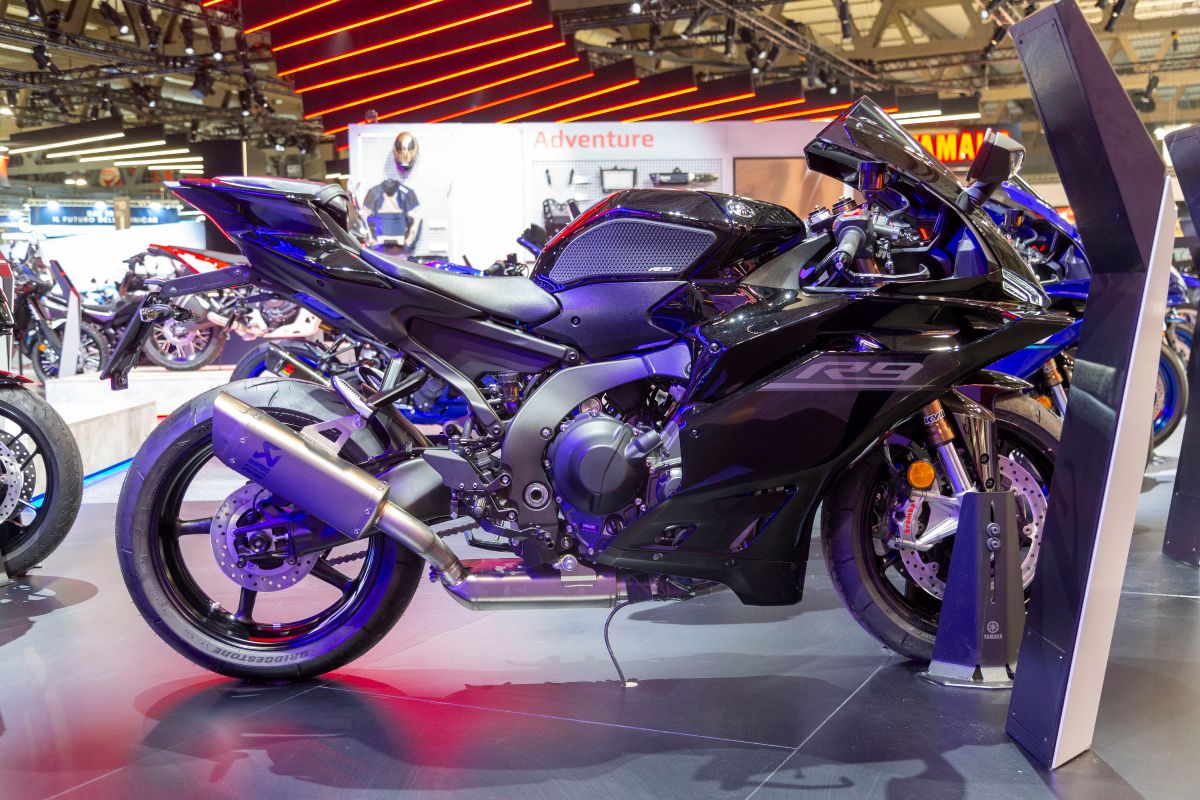
Used Yamaha R9: Buying Guide, Prices, and Inspection Checklist
Technical guide to the used Yamaha R9. Analysis of the CP3 engine, 2025-2026 market values, differences with the R6, and critical points to verify before purchasing.
Yamaha R9: Buying Guide and Technical Analysis of the Used Market
The Yamaha R9 represents the new paradigm of street-legal supersports: less extreme than the R6 in terms of RPM, but far more effective thanks to the torque of the 890cc CP3 engine. Buyers looking for a used model today are targeting a technologically advanced machine, equipped with a 6-axis Inertial Measurement Unit (IMU) and a chassis derived from the MT-09 series but significantly stiffened.
1. Positioning and Versions
Unlike other models, the R9 was launched with a very rich standard equipment package, limiting variants to aesthetic kits or specific accessories (often the GYTR package for track use).
2025 Model (Launch): Characterized by integrated aerodynamic winglets and the lightest aluminum Deltabox frame ever produced by Yamaha for a supersport bike.
2026 Model: No structural changes are expected; only new color variants (updated Icon Blue and Tech Black).
2. Market Quotations (2025-2026 Estimates)
As this is a recent model, depreciation is still minimal. The R9 holds its value well due to strong demand and limited initial availability of new units.
Model Year Average Price (KM < 10,000) Notes
Yamaha R9 (2025) € 11,500 - € 12,800 Price influenced by accessories (exhaust, etc.)
Yamaha R9 (2026) € 13,000+ Primarily demo or corporate fleet models
Note: The price for a new unit in Italy is approximately € 13,500 - € 14,000 (indicative price).
3. What to Check on a Used Yamaha R9
While the CP3 engine is one of the most reliable on the market (now in its third generation), the R9's architecture requires specific checks:
Deltabox Frame Integrity: The frame has very thin walls to optimize weight. Inspect with extreme care for any "scuffing" or small dents near the engine mounts, which could indicate a fall, even at low speed.
Quickshifter (Electronic Gearbox): The R9 features Yamaha’s third-generation quickshift system. During the test ride, gears should engage effortlessly both up and down, even at mid-range RPMs. If the system "skips" a gear, it might require a software update or a sensor replacement on the shift lever.
KYB Suspension: The R9 uses a fully adjustable KYB inverted fork. Check the fork stanchions for cleanliness; intensive track use can lead to premature wear of the fork seals.
Brake Wear (Brembo Stylema): This is one of the few Yamahas in this range to feature Stylema calipers. Check the discs for signs of overheating (bluish tint), typical of prolonged competitive use.
4. Critical Aspects and "Defects" Reported by Users
No structural defects have been reported, but there are some "characteristic" aspects to monitor:
Engine Heat: The three-cylinder engine is very compact, and the R9’s full fairing tends to trap heat in urban traffic. Check for any weeping from the radiator hoses.
Footpeg Vibrations: Some users report high-frequency vibrations above 7,000 RPM. This is a characteristic of the engine, but if excessive, it could indicate improper torque on the engine mounts.
Electronics (5" TFT): Verify the connection with the Y-Connect app. Some units have required a Bluetooth module reboot to stabilize the connection.
5. Which Unit Should You Target?
Given the model's youth, the technical advice is to look for completely original units. The R9 is very sensitive to modifications in electronics (add-on ECUs) and exhaust systems; a "stock" model ensures the validity of the official Yamaha warranty (often extended to 3 or 5 years), which is fundamental for such a recent project.
Why choose it over a used R6? The R9 offers 40% more torque in the mid-range, making it infinitely more enjoyable on the street and mountain passes, while maintaining very similar track effectiveness for the average enthusiast.