

2026 Triumph Scrambler 900: Technical Review, First Ride & New Features
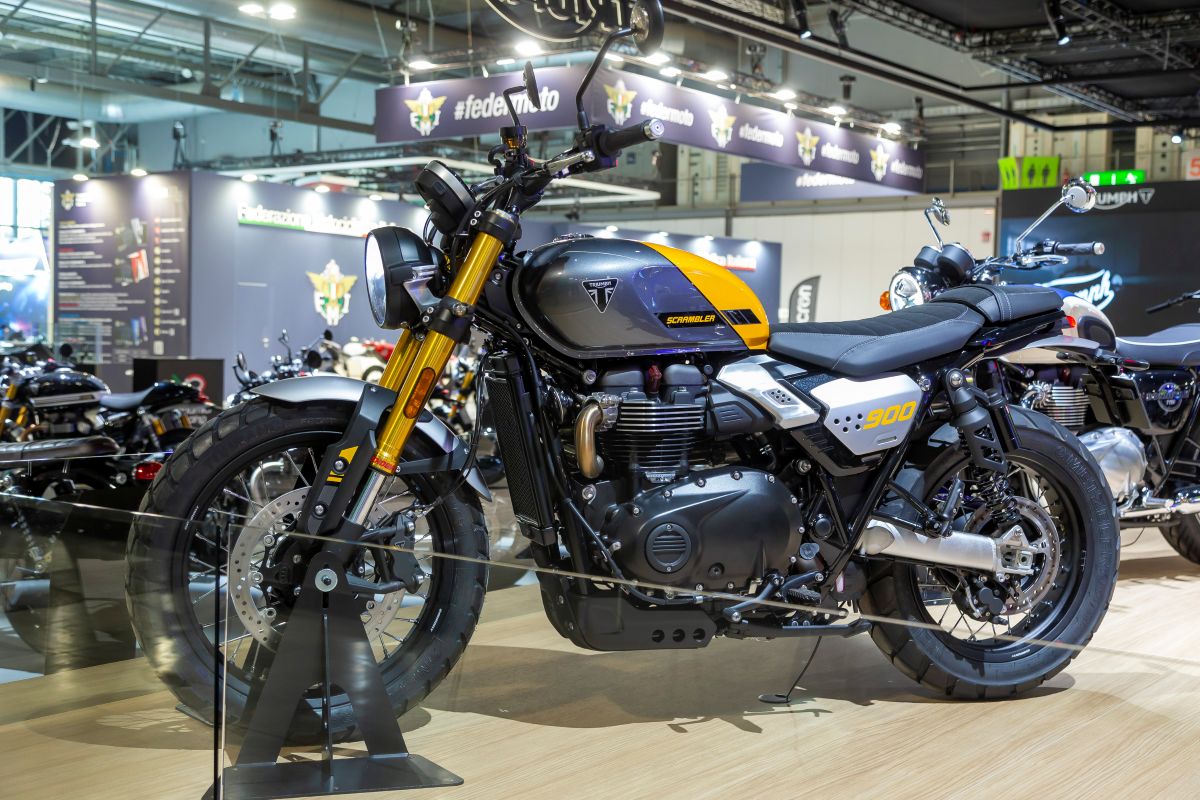
2026 Triumph Scrambler 900: Showa Forks, Radial Calipers & Cornering Tech Updates. Pros, Cons & Professional Riders' Opinions.
2026 Triumph Scrambler 900: Technical Analysis, Test Ride, and Critical Evaluation
The 2026 version of the Triumph Scrambler 900 introduces the most significant technical updates since the platform's inception. While the design remains faithful to "Modern Classic" standards, the engineering overhaul has substantially affected the chassis, braking system, and electronics, aiming to improve riding dynamics and active safety.
1. Chassis and Mechanical Components
The model's evolution focuses on reducing unsprung mass and upgrading the suspension units.
Suspension: A 43mm Showa Upside-Down (USD) fork has been installed at the front (replacing the 41mm conventional unit). The rear now features Showa twin shocks with piggyback reservoirs, a configuration designed to improve performance consistency under stress.
Weight Reduction: The adoption of a cast aluminum swingarm (previously steel) and wire-spoke wheels with aluminum rims has reduced unsprung weight, enhancing turn-in speed and agility.
Brakes: The front disc diameter has increased to 320mm, paired with a four-piston radial caliper. This setup provides superior stopping power compared to the previous axial system.
2. Engine and Drivetrain
The 900cc parallel-twin engine retains its well-known architecture, with updates focused on Euro 5+ emissions compliance.
Performance: Peak power stands at 64 HP, with the linear delivery typical of the 270° crank configuration.
Heat Management: The signature high-level twin exhaust remains a key design element. However, technical measurements and road tests confirm persistent heat soak towards the rider's right leg, particularly during idling or low-speed stop-and-go traffic.
3. Electronics
The integration of an Inertial Measurement Unit (IMU) elevates the model's safety standards:
Rider Aids: The bike now features Cornering ABS and Lean-Sensitive Traction Control.
Interface: The previous analog-digital instrumentation has been replaced by a TFT/digital display with a USB-C port. This unit is derived from other models in the range (Trident/Speed Twin 1200) and is pre-configured for the Beeline navigation system.
4. Enthusiast and Tester Feedback
Analysis from professional testers and owner testimonials reveals a multifaceted user experience.
Key Strengths:
Handling Precision: The front end is more communicative thanks to the USD forks, improving performance on twisty roads.
Ergonomics: The 790mm seat height and 853mm wide handlebars provide excellent control for shorter riders and during stand-up off-road riding (despite the exhaust bulk).
Build Quality: The fit, finish, and paint quality are considered above the category average.
Reported Weaknesses and Issues:
Thermal Discomfort: Many enthusiasts confirm that the exhaust heat shielding is insufficient for urban traffic or prolonged off-road use.
Switchgear Tactile Feel: The handlebar switch cubes are described as "too plasticky," providing a tactile feel that is inconsistent with the vehicle's premium positioning.
Cosmetic Maintenance: Previous versions showed sensitivity to corrosion on the spokes and bolt heads when exposed to road salt or persistent humidity; this remains an area to monitor for the new model.
5. Pricing and Market Positioning
In Italy, the 2026 Triumph Scrambler 900 starts at a list price of €11,995. Its technical specifications place it in direct competition with the Ducati Scrambler. While the Triumph offers a chassis more oriented towards stability, it carries a slight weight penalty, with a curb weight of 221 kg (487 lbs).